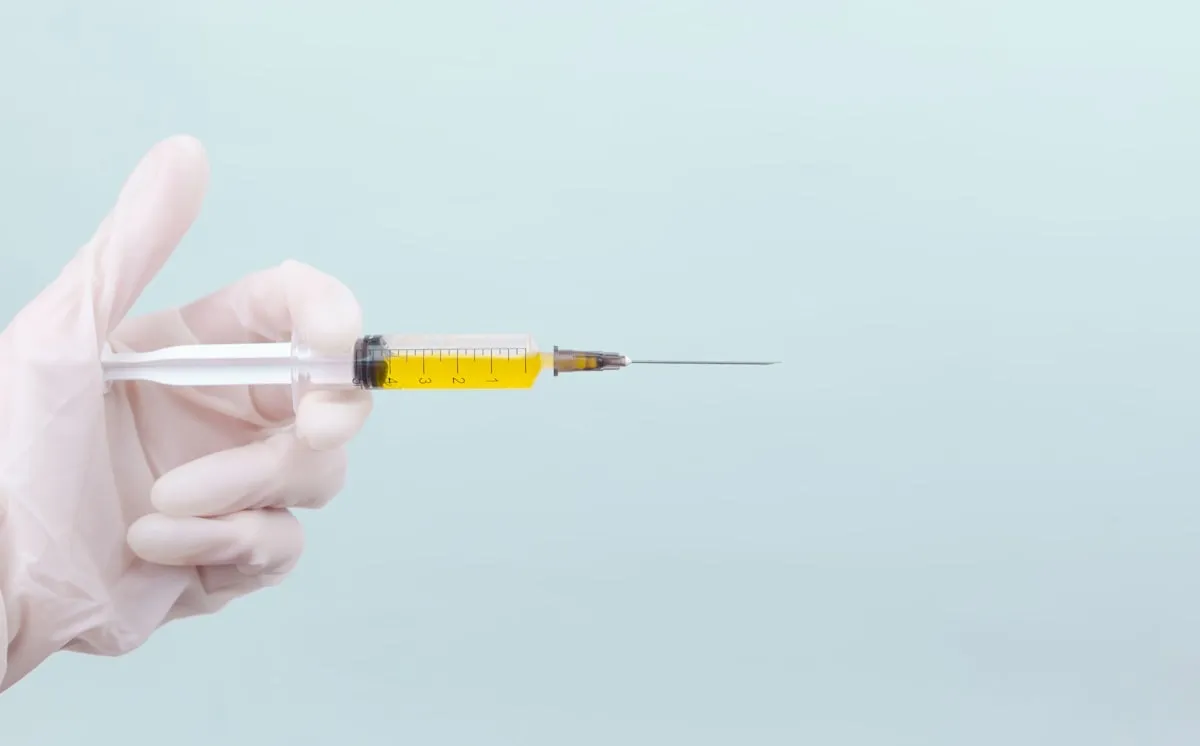
Something unprecedented happened in weight loss medicine over the past three years. For the first time, we have pharmaceutical interventions that produce 15-25% body weight reduction in clinical trials — numbers that were previously only achievable through bariatric surgery.
The molecules behind this shift are peptides. Specifically, GLP-1 receptor agonists and their multi-receptor successors. Semaglutide, tirzepatide, and the next generation of weight loss peptides have created what many researchers are calling the most significant advance in obesity treatment in decades.
This is what you need to know: how they work, how they compare, what the evidence actually shows, and what's on the horizon.
How GLP-1 Peptides Work
GLP-1 (glucagon-like peptide-1) is a hormone your body produces naturally. When you eat, cells in your small intestine release GLP-1, which does several things:
- Signals the pancreas to produce insulin, lowering blood sugar
- Slows gastric emptying — food stays in your stomach longer, so you feel full longer
- Acts on the brain — GLP-1 receptors in the hypothalamus reduce appetite and food reward signaling
- Suppresses glucagon — reduces the liver's glucose output
The problem with natural GLP-1 is that it's degraded by an enzyme called DPP-4 within minutes. Your body's own GLP-1 has a half-life of roughly 2-3 minutes — too short to sustain meaningful therapeutic effects.
GLP-1 receptor agonist peptides solve this by modifying the GLP-1 molecule to resist DPP-4 degradation, extending its activity from minutes to days or even a week. This allows sustained appetite suppression, improved blood sugar control, and — as the clinical data has shown — significant weight loss.
Semaglutide: The One That Changed Everything
Semaglutide is a modified GLP-1 peptide that binds to albumin (a blood protein), giving it a half-life of approximately 7 days — turning a 2-minute hormone into a once-weekly treatment.
Brand Names
- Ozempic — injectable semaglutide for type 2 diabetes (0.25-2 mg weekly)
- Wegovy — injectable semaglutide for weight management (2.4 mg weekly)
- Rybelsus — oral semaglutide for type 2 diabetes (3-14 mg daily)
Clinical Trial Data
The weight loss evidence for semaglutide is among the strongest in pharmaceutical history.
STEP 1 Trial (Wilding et al., NEJM 2021): 1,961 adults with obesity but without diabetes took semaglutide 2.4 mg weekly or placebo for 68 weeks. Results:
- Semaglutide group: -14.9% body weight (average -15.3 kg / 33.7 lbs)
- Placebo group: -2.4%
- 86% of semaglutide users lost ≥5% body weight
- 32% lost ≥20% body weight
STEP 2 Trial (Davies et al., Lancet 2021): In adults with type 2 diabetes and obesity, semaglutide 2.4 mg produced -9.6% body weight loss vs -3.4% with placebo.
SELECT Trial (Lincoff et al., NEJM 2023): 17,604 adults with cardiovascular disease and obesity. Semaglutide 2.4 mg reduced major adverse cardiovascular events (heart attack, stroke, cardiovascular death) by 20% compared to placebo — establishing that the benefits extend beyond weight loss into cardiovascular risk reduction.
Common Side Effects
The most frequent side effects are gastrointestinal:
- Nausea (40-44% in trials, typically worst in first 4-8 weeks)
- Diarrhea (30%)
- Vomiting (24%)
- Constipation (24%)
- Abdominal pain (20%)
Most GI side effects diminish over time as the body adjusts. Dose escalation (starting low and gradually increasing over 16-20 weeks) significantly reduces severity.
Serious Risks
- Pancreatitis — rare but documented; discontinue if symptoms occur
- Gallbladder disease — rapid weight loss increases gallstone risk
- Thyroid C-cell tumors — observed in rodents at high doses; relevance to humans is uncertain but semaglutide carries a boxed warning regarding medullary thyroid carcinoma
- Muscle loss — approximately 30-40% of weight lost on GLP-1s is lean mass, not just fat. Resistance training and adequate protein intake are critical countermeasures
Tirzepatide: The Dual Agonist
Tirzepatide represents the next evolution — a dual GLP-1/GIP agonist that targets two incretin receptors instead of one.
GIP (glucose-dependent insulinotropic polypeptide) is another gut hormone released after eating. Adding GIP receptor activation to GLP-1 agonism appears to produce additional metabolic benefits — enhanced insulin sensitivity, improved fat oxidation, and greater weight loss.
Brand Names
- Mounjaro — for type 2 diabetes
- Zepbound — for weight management
Clinical Trial Data
SURMOUNT-1 Trial (Jastreboff et al., NEJM 2022): 2,539 adults with obesity but without diabetes. At the highest dose (15 mg weekly) over 72 weeks:
- -22.5% body weight (average -24 kg / 52.9 lbs)
- 63% lost ≥20% body weight
- 36% lost ≥25% body weight
These numbers surpassed semaglutide in direct comparison studies.
SURPASS Trials (diabetes): Tirzepatide showed superior blood sugar control compared to semaglutide in head-to-head studies, with HbA1c reductions of up to 2.6%.
Side Effect Profile
Similar to semaglutide — primarily GI effects (nausea, diarrhea, vomiting, constipation). Some studies suggest slightly different GI tolerability patterns due to the GIP component, but the overall profile is comparable.
Head-to-Head: Semaglutide vs Tirzepatide
| Factor | Semaglutide (Wegovy) | Tirzepatide (Zepbound) |
|---|---|---|
| Mechanism | GLP-1 agonist | GLP-1 + GIP dual agonist |
| Max weight loss (trials) | ~15-17% | ~20-22.5% |
| FDA approval | Type 2 diabetes + weight management | Type 2 diabetes + weight management |
| Dosing | Weekly injection | Weekly injection |
| Oral option | Yes (Rybelsus, for diabetes) | Not yet (in development) |
| Cardiovascular data | SELECT trial: 20% MACE reduction | CV outcomes trial (SURPASS-CVOT) ongoing |
| Cost (without insurance) | ~$1,000-1,350/month | ~$1,000-1,060/month |
| Time on market | Since 2021 (Wegovy) | Since 2023 (Zepbound) |
The short version: tirzepatide produces more weight loss in clinical trials, but semaglutide has longer-term safety data and proven cardiovascular benefits. Both are effective, and the best choice depends on individual response, insurance coverage, and physician recommendation.
What's Coming Next
The GLP-1 pipeline is filled with next-generation compounds targeting additional metabolic pathways.
Retatrutide (Triple Agonist)
Retatrutide targets three receptors: GLP-1, GIP, and glucagon. Adding glucagon receptor activation increases energy expenditure and fat oxidation — your body burns more calories at rest.
Phase 2 data (Jastreboff et al., NEJM 2023) showed up to 24.2% body weight reduction at 48 weeks at the highest dose — the most weight loss ever demonstrated by a pharmaceutical agent in a clinical trial. Phase 3 trials are ongoing. Read more →
Oral Semaglutide for Weight Loss
Novo Nordisk is developing a high-dose oral semaglutide (25-50 mg daily) specifically for weight management. The OASIS trials showed oral semaglutide 50 mg produced weight loss comparable to injectable Wegovy. If approved, this would eliminate the injection barrier for millions of patients.
Survodutide, Pemvidutide, and Others
Multiple companies are developing dual and triple agonists with different pharmacological profiles. The competition is producing a rapid pace of innovation.
CagriSema (Semaglutide + Cagrilintide)
Novo Nordisk's combination of semaglutide with cagrilintide (an amylin analog) targets yet another appetite-regulating pathway. Phase 3 data showed weight loss exceeding Wegovy alone.
Other Peptides Studied for Body Composition
Beyond the GLP-1 class, several other peptides are relevant to body composition — though with much less clinical evidence.
AOD-9604
A modified fragment of human growth hormone (amino acids 177-191) studied specifically for fat metabolism. It showed fat-reducing effects in animal models without the diabetogenic effects of full HGH. Human clinical trial data is limited and has not led to regulatory approval. Read more →
Tesamorelin
An FDA-approved GHRH analog specifically indicated for HIV-associated lipodystrophy (excess abdominal fat). It reduces visceral fat by stimulating growth hormone release. While approved for a specific indication, it's sometimes used off-label for body composition goals. Read more →
MOTS-c
A mitochondrial peptide that activates AMPK — a key metabolic energy sensor. In animal studies, MOTS-c has shown improved metabolic function, insulin sensitivity, and exercise capacity. Human data is limited but growing. Read more →
5-Amino-1MQ
A small molecule (not technically a peptide) that inhibits NNMT (nicotinamide N-methyltransferase), an enzyme linked to fat cell expansion. Preclinical data shows fat-reducing effects, but human trials are early. Read more →
Practical Considerations
Weight Regain
One of the most important — and least discussed — aspects of GLP-1 therapy is what happens when you stop.
The STEP 1 Extension Trial showed that participants who discontinued semaglutide after 68 weeks regained approximately two-thirds of their lost weight within a year. This suggests that GLP-1 therapy may need to be long-term for sustained results, similar to how blood pressure medication requires ongoing use.
This isn't a failure of the medication — it reflects the biological reality that obesity involves persistent neurohormonal changes in appetite regulation that these drugs are actively counteracting.
Muscle Preservation
Losing 30-40% of weight as lean mass is a significant concern, especially for older adults. Current best practices to preserve muscle during GLP-1 therapy include:
- Resistance training 2-3x per week (the single most impactful intervention)
- High protein intake (1.0-1.2 g per pound of lean body mass)
- Adequate calories — don't combine GLP-1 therapy with aggressive caloric restriction
- Creatine supplementation (well-studied for muscle preservation, 3-5 g daily)
Insurance and Cost
At $1,000+ per month without insurance, GLP-1 medications remain inaccessible for many people. Compounded semaglutide from 503A/503B pharmacies has been available at significantly lower cost ($100-500/month), though the FDA has been restricting compounding of semaglutide as supply concerns ease.
Insurance coverage varies significantly by plan, indication (diabetes vs obesity), and prior authorization requirements. Check with your insurance provider and physician.
Key Takeaways
- GLP-1 peptides represent a genuine breakthrough in weight loss treatment, producing 15-25% body weight reduction in clinical trials
- Semaglutide (Wegovy/Ozempic) was first to market with strong cardiovascular outcome data
- Tirzepatide (Zepbound/Mounjaro) produces more weight loss through dual GLP-1/GIP agonism
- Retatrutide and other next-gen agents may push results even further
- GI side effects (nausea, diarrhea) are common but typically improve over time
- Muscle loss is a real concern — resistance training and high protein intake are essential countermeasures
- Weight regain after discontinuation is significant, suggesting long-term use may be needed
- These are FDA-approved, rigorously studied medications — a fundamentally different evidence category than research peptides
For specific peptide profiles, dosing information, and comparison tools, explore our Peptide Directory.
This article is for educational and informational purposes only. It is not medical advice. Always consult with a qualified healthcare provider before starting any medication or peptide therapy.
Key References:
- Wilding JPH, et al. "Once-weekly semaglutide in adults with overweight or obesity." N Engl J Med. 2021;384(11):989-1002.
- Jastreboff AM, et al. "Tirzepatide once weekly for the treatment of obesity." N Engl J Med. 2022;387(3):205-216.
- Lincoff AM, et al. "Semaglutide and cardiovascular outcomes in obesity without diabetes." N Engl J Med. 2023;389(24):2221-2232.
- Jastreboff AM, et al. "Triple-hormone-receptor agonist retatrutide for obesity." N Engl J Med. 2023;389(6):514-526.
- Davies M, et al. "Semaglutide 2.4 mg once a week in adults with overweight or obesity, and type 2 diabetes (STEP 2)." Lancet. 2021;397(10278):971-984.
- Aronne LJ, et al. "Continued treatment with tirzepatide for maintenance of weight reduction in adults with obesity (SURMOUNT-4)." JAMA. 2024;331(1):38-48.