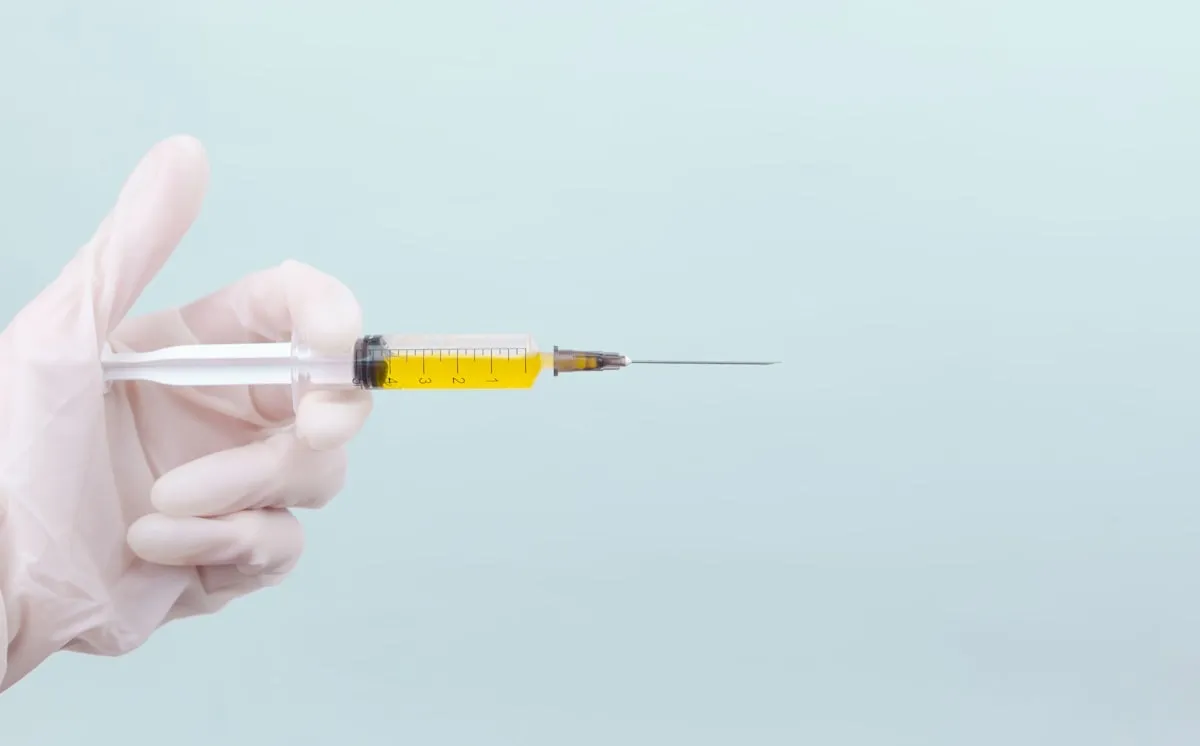
On February 27, 2026, HHS Secretary Robert F. Kennedy Jr. appeared on The Joe Rogan Experience and dropped what may be the most significant peptide news since the FDA's original crackdown in September 2023. Kennedy confirmed that approximately 14 peptides currently restricted under Category 2 of the FDA's 503A Bulk Drug Substances list will be moved back to Category 1 — meaning compounding pharmacies will once again be able to legally produce them.
Kennedy called the FDA's Category 2 designation "illegal," acknowledged that the restrictions had pushed patients toward unregulated gray market sources, and said an official FDA announcement could come within weeks. For the millions of Americans who rely on compounded peptides through their physicians, this is a watershed moment.
The FDA's 2023 Category 2 Ban
On September 29, 2023, the FDA quietly moved 19 peptide bulk drug substances from Category 1 to Category 2 on the interim 503A Bulks List. The move came without warning, without a public comment period, and without disclosing the specific safety evidence behind the decision.
Under Section 503A of the Federal Food, Drug, and Cosmetic Act, compounding pharmacies can prepare customized medications using bulk drug substances — but only if those substances are listed in Category 1. Category 2 substances are those the FDA considers to have "significant safety risks," effectively banning them from legal compounding.
The impact was immediate and far-reaching. Compounding pharmacies that had been producing these peptides for physicians and patients for years were forced to halt production overnight. Patients who depended on peptides like BPC-157 for injury recovery, Thymosin Alpha-1 for immune support, or CJC-1295 and Ipamorelin for growth hormone optimization were suddenly cut off from their legal supply. As Kennedy himself noted on Rogan's podcast, the ban didn't eliminate demand — it simply pushed it underground, creating the very gray market the FDA should have wanted to prevent.
The Complete List of 19 Affected Peptides
Here is every peptide the FDA moved to Category 2, along with its primary use and current regulatory status:
| Peptide | Primary Use | Current Status |
|---|---|---|
| AOD 9604 | Fat metabolism | Removed from Cat. 2 (Sept 2024) |
| BPC-157 | Tissue repair, gut health | Category 2 — pending reversal |
| Cathelicidin LL-37 | Immune support, antimicrobial | Category 2 — pending reversal |
| CJC-1295 | Growth hormone secretagogue | Removed from Cat. 2 (Sept 2024) |
| Dihexa | Cognitive enhancement | Category 2 — pending reversal |
| DSIP (Emideltide) | Sleep regulation | Category 2 — pending reversal |
| Epitalon | Anti-aging, telomerase activation | Category 2 — pending reversal |
| GHK-Cu (injectable) | Skin health, wound healing | Category 2 — pending reversal |
| Ibutamoren (MK-677) | Growth hormone secretagogue | Category 2 — pending reversal |
| Ipamorelin | Growth hormone secretagogue | Removed from Cat. 2 (Sept 2024) |
| Kisspeptin-10 | Fertility, hormonal support | Category 2 — pending reversal |
| KPV | Anti-inflammatory, gut health | Category 2 — pending reversal |
| Melanotan II | Tanning, melanin production | Category 2 — pending reversal |
| PEG-MGF | Muscle growth, recovery | Category 2 — pending reversal |
| MOTS-c | Metabolic health, longevity | Category 2 — pending reversal |
| Selank | Cognitive function, anxiety relief | Removed from Cat. 2 (Sept 2024) |
| Semax | Neuroprotection, cognitive function | Category 2 — pending reversal |
| Thymosin Alpha-1 | Immune modulation | Removed from Cat. 2 (Sept 2024) |
| TB-500 | Tissue repair, wound healing | Category 2 — pending reversal |
The September 2024 Partial Reversal
The FDA's unilateral decision didn't go unchallenged. Legal pressure from compounding pharmacy organizations and patient advocacy groups forced the agency to the negotiating table.
In September 2024, the FDA reached a settlement agreement, committing to halt its blanket enforcement and instead submit the restricted peptides for review by the Pharmacy Compounding Advisory Committee (PCAC) — the proper regulatory channel that should have been used from the start.
On September 20, 2024, the FDA announced that five peptides were being removed from Category 2: AOD-9604, CJC-1295, Ipamorelin Acetate, Thymosin Alpha-1, and Selank Acetate. These five were sent to the PCAC for formal review, the first step toward permanent Category 1 placement.
However, the remaining 14 peptides stayed on Category 2. By January 2025, the FDA began actively enforcing the restrictions on these substances, leaving compounding pharmacies and patients in regulatory limbo.
What RFK Jr. Said on Joe Rogan
On February 27, 2026, Kennedy sat down with Joe Rogan — himself a well-known advocate for BPC-157 and other peptides — and addressed the Category 2 situation directly.
Kennedy didn't mince words. He called the FDA's Category 2 designations "illegal," arguing that the agency overstepped its statutory authority by banning substances from compounding without going through the proper PCAC review process. Under the law, the FDA is only supposed to move substances to Category 2 if there is a legitimate safety signal — and Kennedy's position is that no such signal existed for most of these peptides.
He also acknowledged a critical unintended consequence of the ban. By cutting off access to legally compounded, quality-controlled peptides through licensed pharmacies, the FDA drove demand to unregulated sources — gray market vendors and overseas suppliers operating with minimal quality oversight. Kennedy acknowledged this directly, stating that the government had effectively "created the gray market."
The headline announcement: Kennedy confirmed that approximately 14 peptides will be moved from Category 2 back to Category 1, and that an official FDA announcement could come within weeks of the podcast recording. The mechanism will likely be through FDA enforcement discretion — the agency announcing it will no longer block compounders from using these substances — rather than a formal regulatory change.
The 14 Peptides Coming Back
Based on the 19 originally restricted and the 5 already restored in September 2024, here are the 14 peptides expected to return to Category 1 status:
Tissue Repair & Recovery
BPC-157 and TB-500 are arguably the two most impactful peptides on this list. BPC-157 is widely discussed for its role in tissue repair, gut healing, and injury recovery. TB-500 (Thymosin Beta-4 fragment) supports wound healing and tissue regeneration. Together, they represent the core of peptide-based recovery protocols, and their loss from legal compounding channels has been the most felt by practitioners and patients.
Growth Hormone Secretagogue
MK-677 (Ibutamoren) stimulates growth hormone release through the ghrelin receptor. Unlike injectable GH secretagogues, it's orally active and has been widely used for its effects on sleep quality, body composition, and recovery. Its restriction was notable because it works through a distinct mechanism from the already-restored CJC-1295 and Ipamorelin.
Cognitive & Neurological
Semax is a synthetic peptide derived from ACTH(4-10) that targets cognitive function and neuroprotection. Dihexa is a potent nootropic that works through the hepatocyte growth factor (HGF) pathway. Both represent the neurological branch of peptide research that was swept into the Category 2 ban.
Immune & Anti-Inflammatory
LL-37 (Cathelicidin) is an antimicrobial peptide that plays a central role in innate immune defense. KPV is a tripeptide with anti-inflammatory properties, particularly studied for its effects on gut inflammation. Both address immune function through distinct mechanisms.
Longevity & Cellular Health
Epitalon is studied for its proposed role in telomerase activation and cellular aging. MOTS-c is a mitochondrial-derived peptide involved in metabolic regulation and exercise mimetic effects. These represent the frontier of peptide longevity research.
Additional Peptides
- GHK-Cu (injectable) — copper peptide for skin health and wound healing (note: topical GHK-Cu was never restricted)
- DSIP (Delta Sleep-Inducing Peptide) — studied for sleep regulation
- Kisspeptin-10 — involved in fertility and hormonal signaling
- Melanotan II — stimulates melanin production for tanning
- PEG-MGF (Pegylated Mechano Growth Factor) — targets muscle growth and recovery
What This Means For You
If You Work With a Physician or Clinic
Once the reversal is official, compounding pharmacies operating under Section 503A will be able to legally produce these 14 peptides again. This means you'll be able to access properly compounded, quality-controlled peptides through legitimate medical channels — with a prescription from your physician, prepared by a licensed pharmacy that follows USP compounding standards.
If You've Been Using Gray Market Sources
The Category 2 restrictions pushed many people toward unregulated peptide vendors. When legal compounding resumes, you'll have the option to switch back to pharmacy-compounded peptides with verified purity, proper sterility testing, and traceable sourcing. This matters for safety.
For the Compounding Pharmacy Industry
Pharmacies that were forced to halt production of these peptides can begin rebuilding their supply chains. This includes sourcing qualified bulk drug substances, re-establishing compounding protocols, and scaling production to meet the demand that has been building for over two years.
The Important Caveat
Until the official FDA announcement drops, all 14 peptides remain Category 2. Compounding pharmacies cannot legally compound them yet. Kennedy said "within weeks" — but there is no confirmed date. Watch for a formal FDA announcement or updated interim 503A bulks list on the FDA website.
What to Watch For Next
The peptide community is now in a waiting period. Here's what to look for:
- Official FDA announcement — Expected within weeks of the February 27 podcast. This will likely come as an update to the interim 503A Bulk Drug Substances list on the FDA's website.
- Scope of the reversal — Whether all 14 are reversed at once or in phases. The mechanism (enforcement discretion vs. formal reclassification) will determine how quickly compounding pharmacies can restart production.
- PCAC review schedule — Even with enforcement discretion, these peptides will likely still go through the Pharmacy Compounding Advisory Committee for formal evaluation. The PCAC meeting schedule will signal the longer-term regulatory trajectory.
- New regulatory framework — Kennedy has signaled broader interest in reforming how the FDA handles compounded peptides. The Category 2 reversal may be the first step in a larger shift in peptide regulation.
The Bigger Picture
This moment reflects a broader shift in how peptides are perceived at the regulatory level. In just three years, the regulatory pendulum has swung from unrestricted compounding to blanket ban to impending reversal. Meanwhile, mainstream coverage of peptides has exploded — from STAT News' deep dive on BPC-157 to MIT Technology Review's February 2026 analysis of the peptide landscape.
The core takeaway: having peptides available through legitimate, quality-controlled compounding channels is better for patient safety than driving demand to unregulated sources. Kennedy's announcement, if it holds, would restore that access for the 14 peptides that have been in regulatory limbo since September 2023.
This article will be updated when the official FDA announcement is released. Last updated: February 28, 2026.
PeptideWiki provides educational information about research peptides. This content is not medical advice. Always consult with a qualified healthcare provider before beginning any peptide protocol. See our full disclaimer for details.